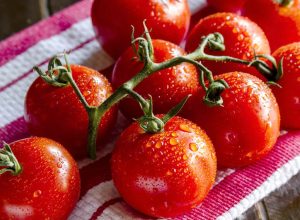
Tomatoes (Solanum lycopersicum) is a familiar vegetable and fruit in Vietnamese cuisine. Not only does it bring a fresh flavor, but it is also a rich source of essential vitamins and minerals for the body.
1. Origin and Time of Introduction to Vietnam
The tomato originated in South America, specifically the highlands of Peru. Through migration and trade, the tomato plant was brought to Europe by the Spanish in the 16th century. From there, tomatoes gradually spread throughout the world.
Regarding the time of introduction to Vietnam, there is currently no precise record. However, it is highly likely that tomato were introduced to our country during the French colonial period, when new plant varieties from the West were introduced.
2. Main Tomato Growing Regions in Vietnam
Today, tomatoes are grown widely throughout the country, from North to South. However, some regions focus on large-scale tomato production, including:
- Lam Dong (Da Lat): With its year-round cool climate, Da Lat is one of the most famous regions in the country for high-quality tomato cultivation.
- Northern mountainous provinces: Provinces such as Son La, Lao Cai, and Ha Giang also have favorable climatic conditions for tomato plants to thrive.
- The Red River Delta and Central provinces: These are also areas with significant tomato cultivation areas, especially during the winter-spring crop.
- The Central Highlands and Southern provinces: Tomatoe are still grown in these regions, although the yield may not be as high as in the Northern and Central Highlands regions.
3. Nutritional Value of Tomatoes
Tomatoes are not only a delicious fruit but also very nutritious. According to research, 100g of raw tomatoes contains approximately:
- Water: About 95g
- Carbohydrates: 3.9g
- Fiber: 1.2g
- Sugars: 2.6g
- Protein: 0.9g
- Fat: 0.2g
- Vitamin C: A significant amount, a powerful antioxidant that helps boost the immune system.
- Vitamin K1: Important for blood clotting and bone health.
- Potassium: Helps control blood pressure and prevent cardiovascular disease.
- Vitamin B9 (Folate): Particularly good for pregnant women and cell development.
In addition, tomatoes contain many beneficial plant compounds such as:
- Lycopene: A powerful antioxidant, abundant in ripe red tomato.
- Beta-carotene: Converted to vitamin A in the body, also an antioxidant.
- Naringenin: Has anti-inflammatory effects.
- Chlorogenic acid: May help lower blood pressure.
4. Dishes, Smoothies, and Juices from Tomatoes
With their characteristic slightly sour taste and appealing color, tomatoes are an indispensable ingredient in many Vietnamese dishes and drinks:
- Dishes:
- Tomato sauce: Used in many dishes such as fish in tomato sauce, meat in tomato sauce, tofu in tomato sauce, etc.
- Tomato soup: Cooked with minced meat, spareribs, or fish.
- Tomato salad: Combined with cucumbers, onions, etc.
- Stuffed tomatoes: A delicious and visually appealing dish.
- Scrambled eggs with tomato: A simple, quick, and nutritious dish.
- Smoothies and Juices:
- Tomato juice: Fresh and rich in vitamins.
- Tomato smoothie: Can be combined with other fruits to enhance flavor and nutrition.
5. Vietnam’s Tomato Export Market
Vietnam has great potential in exporting tomatoes. Currently, fresh tomatoes and processed tomato products from Vietnam are present in some markets such as:
- China: A large consumer market for Vietnamese vegetables and fruits.
- Southeast Asian countries: Laos, Cambodia, etc.
- Other markets: Japan, South Korea (mainly processed tomatoes).
To promote exports, Vietnam needs to focus on improving product quality, ensuring food safety standards, and building a brand for Vietnamese tomatoes in the international market.
In summary, tomatoes are an important part of Vietnamese agriculture and cuisine. With high nutritional value and versatility in processing, tomatoes not only serve domestic consumption needs but also have the potential for strong development in the export market.
Other articles:
Other agricultural products: